Crypto News
Bitcoin Miners Hit by 'Hashrate Hijacking' Attacks on Over 1,000 Sites, Braiins Warns
Mining pool operator Braiins says attackers are rerouting internet traffic to steal Bitcoin miners' work through the old, unencrypted Stratum V1 protocol. The attacks are still active and have spread from Latin America to Europe.
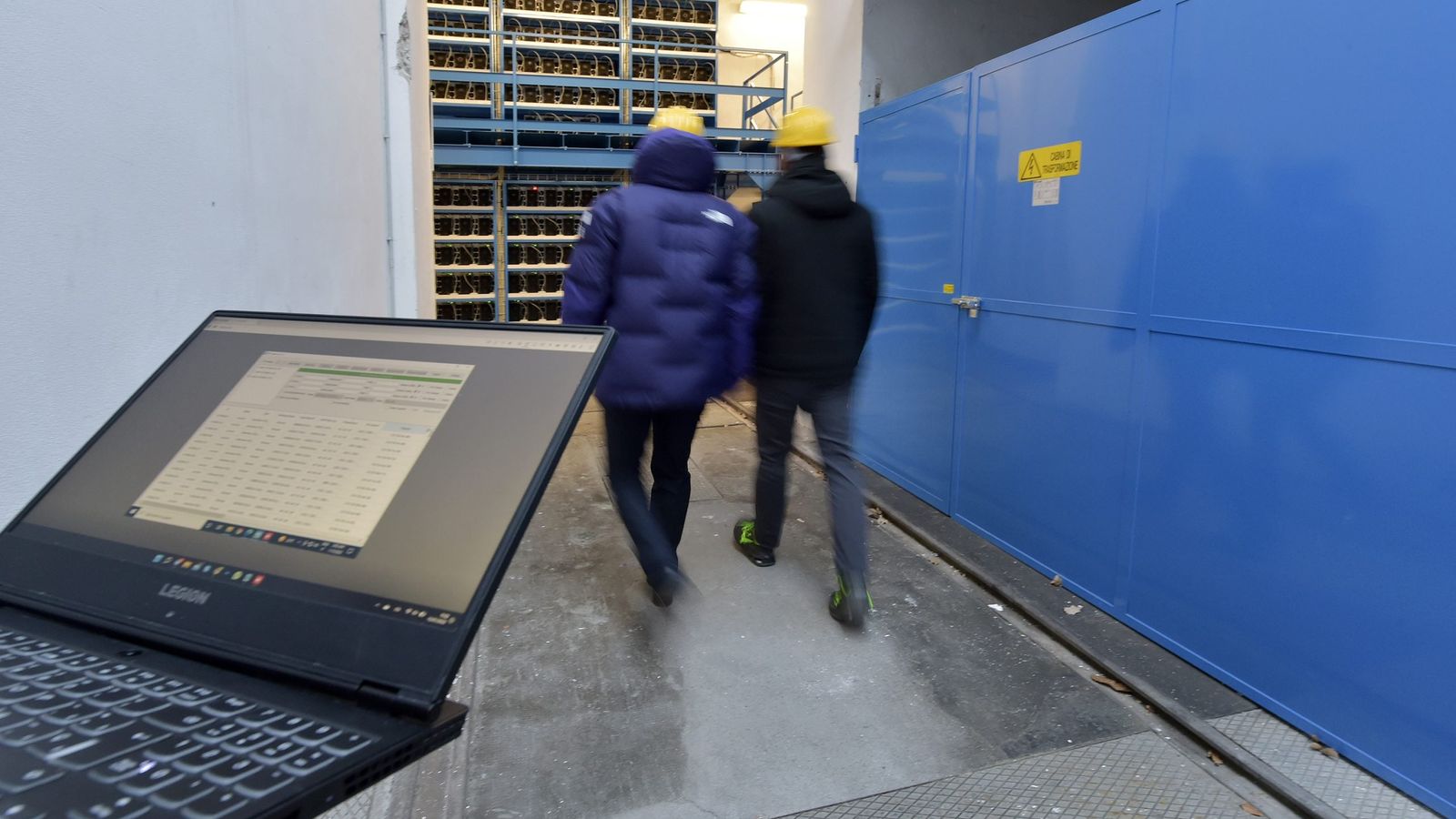
Bitcoin mining pool operator Braiins has warned that attackers are quietly stealing mining rewards by hijacking the connection between miners and their pools. In a security report released on Wednesday, the company said one wave on November 20 hit more than 1,000 mining sites at the same moment.
The miners' machines were not hacked, and Braiins Pool itself was not breached. Instead, the attacker sat in the middle of the internet connection and pretended to be the pool.
How the attack works
Most Bitcoin miners talk to their mining pool using a protocol called Stratum V1. It was introduced in 2012 and sends data as plain, unencrypted text. It also gives miners no way to check that the server on the other side is really their pool.
According to Braiins, the attacker abused BGP, the system that tells internet networks where to send traffic. By announcing a more specific route for a pool's address, the attacker pulled miners' connections to a fake pool. The fake pool sent normal-looking work, and the attacker collected the resulting shares under their own account at another pool.
For the victims, everything looked normal at the farm. Machines kept running at full power and kept using electricity, but pool dashboards showed zero hashrate and the rewards went to someone else.
Growing and spreading
Braiins counted 24 incidents between November 7 and November 20. Early waves mostly hit sites in Brazil and Argentina. The larger November 20 wave mostly hit European miners.
The diverted computing power grew from under 175 PH/s to 1.9 EH/s in about two weeks, according to Braiins. The company described the short, growing bursts as the attacker "testing the waters" and said the attacks are still ongoing.
For scale, Cointelegraph noted that 1.9 EH/s was about 0.19% of Bitcoin's total hashrate on November 20. Braiins has not said how much Bitcoin was stolen.
This is the second warning of this kind in weeks. Earlier in November, mining services firm Luxor reported a separate attack that redirected miner rewards, though it described a different method.
The weakness itself is old. Braiins pointed to a 2014 case, documented by Dell SecureWorks, where the same routing trick stole around $83,000 in mining rewards over four months.
What miners are told to do
Braiins urged miners to move to Stratum V2, a newer protocol that encrypts traffic and lets a miner confirm it is connected to the real pool. Miners who must stay on Stratum V1 should use an encrypted connection, if their pool offers one, with mining software that can verify the pool's identity.
A Braiins review on November 23 found that most large pools still offered only unsecured Stratum V1 connections.
Why it matters
Mining is already a tough business, with lower Bitcoin prices and high power costs squeezing margins. An attack that silently takes rewards while the electricity bill keeps running can push small operators into losses without them noticing.
For miners in Pakistan, India and the wider region, including small home or shop setups, the lesson is simple: check your pool's dashboard against your machines' real output, and ask your pool whether it supports Stratum V2 or an encrypted connection. The attack does not affect people who just hold Bitcoin, but it shows how parts of crypto's basic infrastructure still run on old, trust-based systems.
Sources
Share this article