Crypto News
Ukraine's Parliament Passes Crypto Law With Tax Rules and Licensing for Exchanges
Ukraine's Verkhovna Rada has approved a full legal and tax framework for virtual assets. It still needs the president's signature and is set to take effect on July 1, 2027.
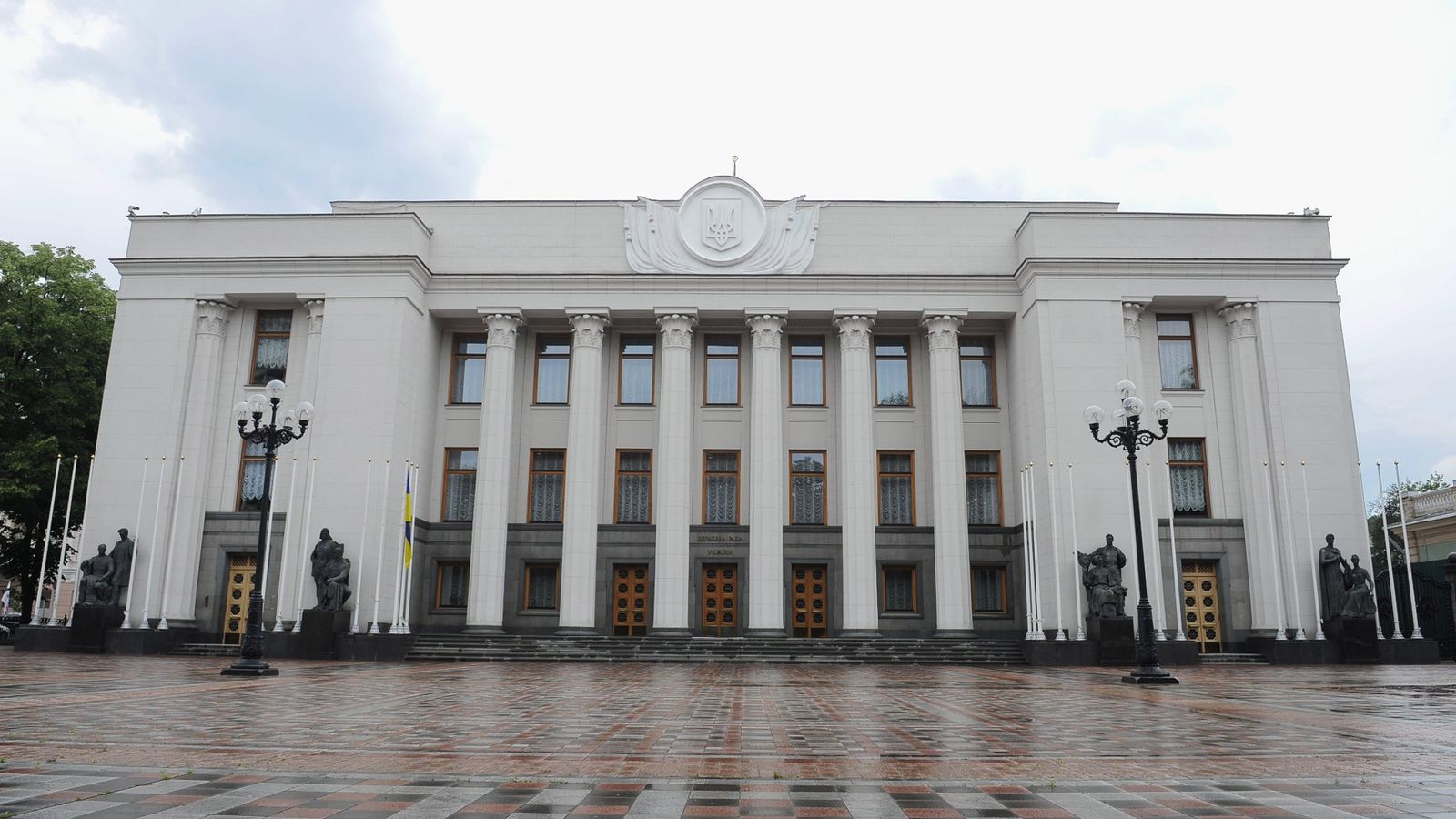
Ukraine has taken a big step toward a regulated crypto market. On November 25, the country's parliament, the Verkhovna Rada, approved a law that sets rules for trading, taxing and supervising virtual assets.
The bill, No. 10225-d, passed its final reading with 271 votes in favour. It now goes to President Volodymyr Zelensky for his signature. If signed, the law is planned to take effect on July 1, 2027.
What the law does
The new framework gives crypto a clear legal home in Ukraine. Two regulators will share the work: the National Securities and Stock Market Commission and the National Bank of Ukraine.
Crypto service providers, such as exchanges and custodians, will need official authorization. According to Interfax-Ukraine, they will also have to file yearly reports on transactions by Ukrainian residents. This is an early step toward global crypto reporting standards such as CARF and the EU's DAC8.
The law also adds investor protection. Companies must keep customer funds separate from their own money. Misleading crypto ads, including promises of guaranteed returns, will be banned.
How crypto will be taxed
Profits from crypto will be taxed in a way similar to profits from shares. According to MP Yaroslav Zhelezniak of the parliament's Finance Committee, a lower rate of 5% income tax plus a 5% military levy will apply through 2028. After that, the rates rise to 18% and 5%.
Interfax-Ukraine reports that people will only pay tax on their net yearly profit. Swapping one crypto asset for another will not be taxed, and neither will tokens received for free, such as many airdrops.
Zhelezniak said the law could bring about 15 billion hryvnia, or roughly $330 million, into the state budget. This is his estimate, not an official forecast.
A long road
Ukraine tried this before. In 2022, Zelensky signed a virtual assets law, but it never came into force because matching changes to the tax code were missing. The new bill was first approved in principle in September 2025. Regulating crypto is also one of Ukraine's commitments to the European Union and helps bring its rules closer to the EU's MiCA framework.
Why it matters
Ukraine is one of the world's most active crypto countries, and now it is moving from a grey zone to clear rules. For readers in Pakistan and India, this is a useful example to watch. Both countries are still shaping their own crypto rules.
Ukraine's approach shows one possible path: license the exchanges, protect customer funds, and tax only real profits, with a softer starting rate. The detail that crypto-to-crypto swaps and free tokens are not taxed is especially interesting for airdrop hunters. How well the law works in practice will become clear after it takes effect in 2027.
Sources
Share this article