Utah moves to drop criminal charges against Kalshi after it blocked the state
Utah’s attorney general has asked a court to dismiss 14 criminal charges against the prediction market Kalshi, after the company stopped serving users in the state. The case can be filed again if Kalshi returns.
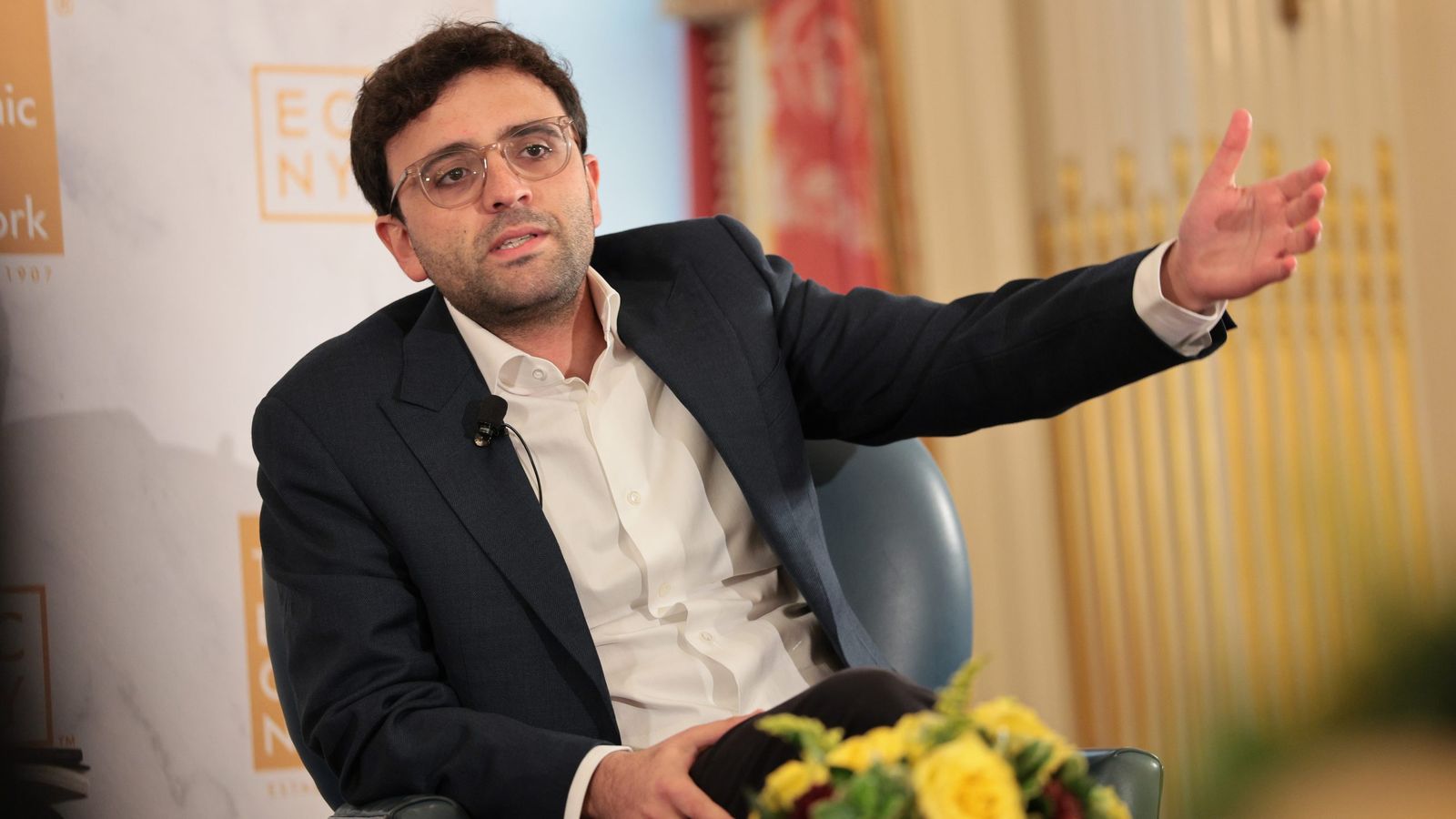
Utah has taken a step back in its criminal case against Kalshi, the U.S. prediction market.
On 24 November 2026, the Office of the Utah Attorney General filed a motion in the Third District Court to dismiss 14 criminal charges against the company and its co-founders, Tarek Mansour and Luana Lopes Lara. The office said it did so after Kalshi blocked Utah users from its platform.
The dismissal is “without prejudice.” In plain terms, the case would be closed for now, but Utah could file the same charges again if Kalshi starts serving the state once more.
What the charges were
Utah first brought the charges on 28 October 2026. According to reporting by the Salt Lake Tribune and KSL, which matches the attorney general’s later description of a 14-count case, the filing included 12 felony counts of online gambling promotion, one felony count of a pattern of unlawful activity, and one misdemeanor gambling-promotion charge.
Utah’s constitution bans gambling, and Attorney General Derek Brown’s office says prediction markets count as gambling. “Utah does not allow gambling, and prediction markets are gambling,” Brown said in a statement. “Kalshi has pulled out of Utah, and if it returns, so will the charges.”
Kalshi has a different view. The company argues that its event contracts are overseen at the federal level by the Commodity Futures Trading Commission (CFTC), not by state gambling laws. After the motion, Kalshi general counsel Yaakov Roth said the company was pleased that the criminal charges were being dropped, while civil litigation continues. “Good faith jurisdictional disagreements should never be criminalized,” he said.
Why the company paused Utah
Kalshi said it paused operations in the state because of legal uncertainty, including a related federal dispute involving the CFTC. The attorney general’s office said that once Kalshi agreed to block Utah internet addresses, it reassessed the criminal case and moved to dismiss it.
The same office says the criminal case is only one tool it is using. In its statement, it added that, including Kalshi, seven companies have agreed to stop offering prediction markets in Utah, and that it has sent cease-and-desist letters to some of Kalshi’s competitors.
Why it matters
Prediction markets have grown quickly, and many crypto users in India and Pakistan already follow platforms that let people trade on news, sports, or policy outcomes. This case is a reminder that some governments still treat those products as gambling, even when the company says a federal regulator is in charge.
The legal fight is not over. A dismissal without prejudice is a pause, not a final ruling on who has the power to regulate these markets. If you use a prediction platform, it is worth checking whether it is allowed in your country or state, and what happens to your account if a government tells the company to shut off access.
This article is for information only and is not financial advice.